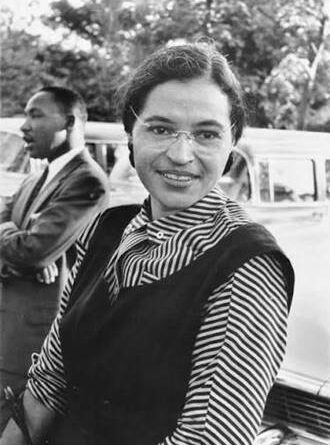
Portraits of the overman: Rosa Parks
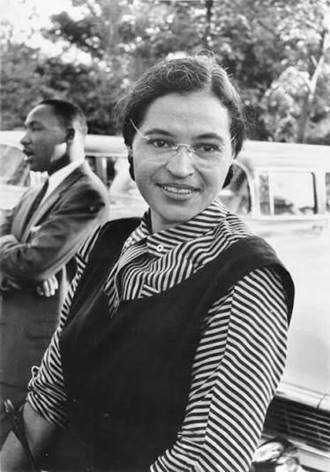
Rosa Parks
The woman who refused to give her seat
Who is she?
Rosa Parks was a civil rights activist known for her opposition to racial injustice.
Why is she an overman?
Rosa Parks’ refusal to give up her seat on a segregated bus in Montgomery, Alabama, became a powerful symbol of resistance to racial injustice. Her arrest on December 1, 1955, helped inspire the Montgomery Bus Boycott, in which African Americans stopped using the city’s buses to protest segregation.
She was deeply principled and believed that people should stand up for what was right, even when it was difficult or frightening. Her famous protest was not an impulsive act; she had already been involved in civil rights activism for years. What makes her especially remarkable is that she combined a gentle, reserved personality with the determination to challenge a deeply unfair system.
Quotes:
I would like to be remembered as a person who wanted to be free… and other people would be also free.
Each person must live their life as a model for others.
I have learned over the years that when one’s mind is made up, this diminishes fear.
Short biography:
04 February 1913 – 24 October 2005
Rosa Parks was born in Tuskegee, Alabama, and became one of the most important figures in the American Civil Rights Movement. Her full name was Rosa Louise McCauley. She grew up in a family that valued education, independence, and equality.
As a young woman, Parks attended the Montgomery Industrial School for Girls and later Alabama State Teachers College. She worked as a seamstress and became involved in civil rights activism through the National Association for the Advancement of Colored People (NAACP).
Parks is best known for her refusal to give up her seat to a white passenger on a segregated bus in Montgomery, Alabama, on December 1, 1955. Her arrest helped spark the Montgomery Bus Boycott, a major protest against racial segregation that lasted for more than a year. The boycott helped bring national attention to the struggle for civil rights and contributed to a Supreme Court decision declaring segregation on Montgomery buses unconstitutional.
In her personal life, Rosa Parks married Raymond Parks, a barber and civil rights activist, in 1932. The couple did not have children. Raymond was supportive of Rosa’s activism. Parks faced financial difficulties and other hardships during her life, especially after her activism made it difficult for her to find steady employment in Alabama. Despite these challenges, she remained committed to equality and justice.
