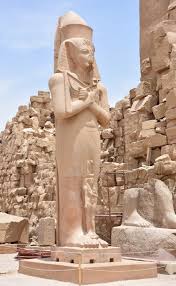
Portraits of the overman: Ramesses II
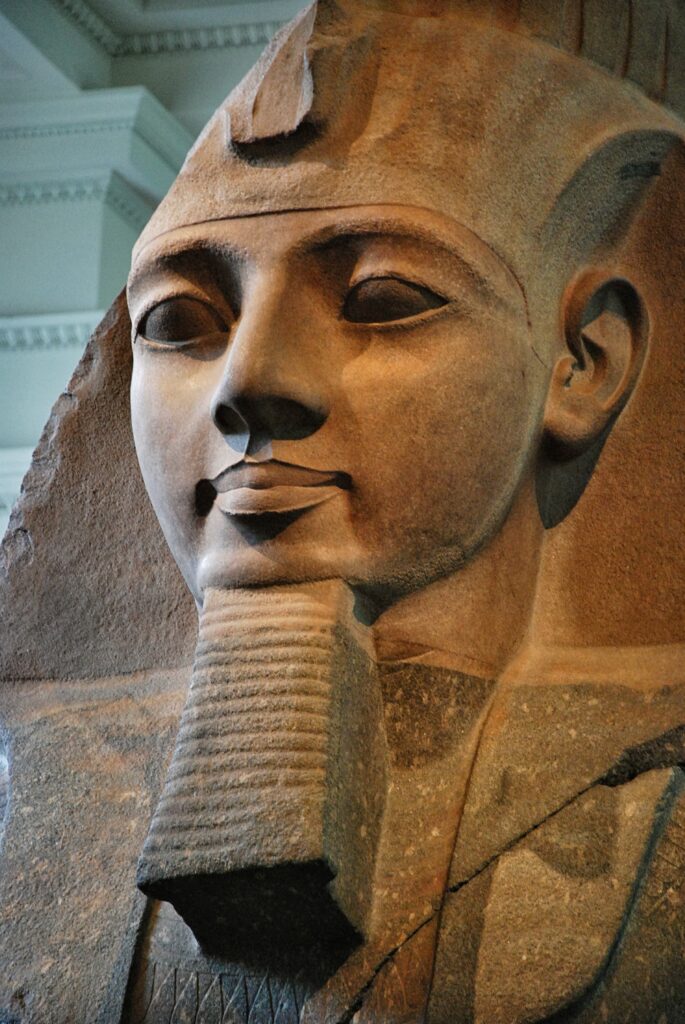
Ramesses II
The pharaoh who is the crossing point in the perfection of gods and man
Who is he?
Ramses II was arguably Egypt’s greatest pharaoh, known for his long reign, military victories and ensuring his country’s prosperity.
Why is he an overman?
Ramses is a symbol of how powerful a person can be. The pharaoh in Egypt was considered to be a direct descendant of the gods and a complete ruler of reality. This is a role any individual can have in their own life as long as they are not afraid of their potential for greatness.
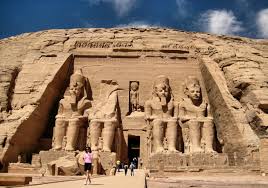
The temples at Abu Simbel represent the two most important aspects of the human nature – one is dedicated to his own greatness and one to the love he feels for his partner in life. The first one is centered around him as an individual but at the same time it reflects his veneration for the divine world. The second one shows that his beloved Nefertari belongs everywhere with him, especially when the depiction of women in large-scale artwork was rare for their time.
It is no coincidence that Ramesses is the hero in the Bible who has to experience the ten plagues in Egypt. Here the historical and the mythical intertwine to show the truth of Ramesses’s soul torn between darkness and love. Arrogance and lust for power meet indomitable determination and a fierce drive to protect all he loves, making him a person who cannot be judged along the line of good versus evil.
The most sacred proof for his deservedness was granted to him by the Universe which allowed his temples to be preserved in time and reach our era so that even thousands of years later we can still recognize him as the greatest pharaoh in history.
Curious facts:
The Temple of Ramses at Abu Simbel is built so that twice a year, on February 22 and October 22, the rising sun illuminates the faces of Rameses, Ra-Horakhty and Amun Ra in the inner sanctum. The statue of Ptah, a god from the next world, always remains in shadow.
Short biography:
c. 1303 BC – c. 1213 BC
Ramesses II, also known as Ramesses the Great, was the son of Seti I and Queen Tuya and ruled as the third pharaoh of the Nineteenth Dynasty from 1279 to 1213 BCE. His rule marked a period of prosperity and expansion for Egypt.
One of Ramesses II’s most notable achievements was his military campaign against the Hittites, culminating in the Battle of Kadesh around 1274 BCE. The battle itself was inconclusive and led to one of the earliest recorded peace treaties in history. Ramesses portrayed it as a great victory in Egyptian art and inscriptions, solidifying his reputation as a military leader. His reign saw the expansion of his country’s territory into regions such as Nubia and the Levant, consolidating Egypt’s power in the ancient world.
Early in his reign he married his chief wife Nefertari who had a significant role in the court and a considerable influence in Egypt. Their relationship was one of mutual respect and affection, as evidenced by the many depictions of the couple together in temples and monuments.
Ramesses II is also renowned for his extensive building projects, including the construction of the grand Ramesseum, a mortuary temple in Thebes, and the temples at Abu Simbel. These monumental structures were intended to immortalize his reign and reflect his divine status.
In addition to his military and architectural accomplishments, Ramesses II fathered many children, with estimates ranging from over 50 to more than 100, and his family played a significant role in the continuation of his legacy. His reign is remembered not only for its grandeur but also for the stability and prosperity that he brought to Egypt during his long period of leadership.
Notable places:
Temple at Abu Simbel
Statue at Karnak Temple