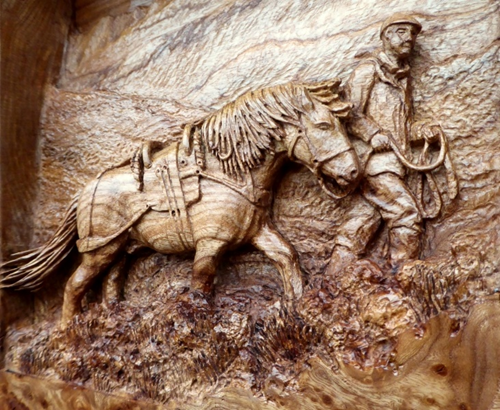

Portraits of the overman: Grinling Gibbons
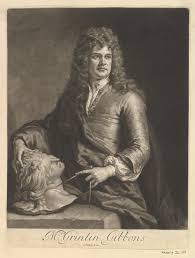
Grinling Gibbons
The artist who carved worlds out of wood
Who is he?
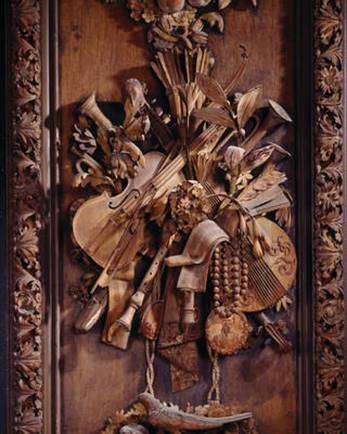
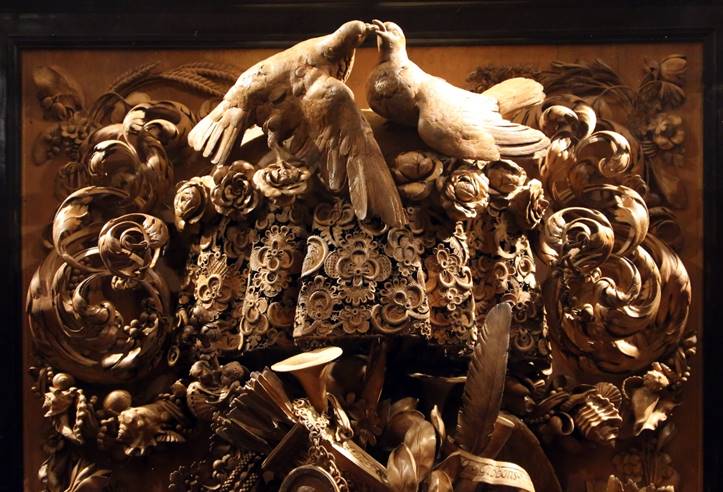
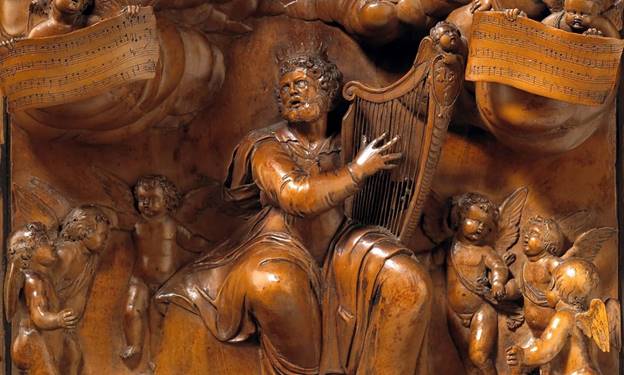
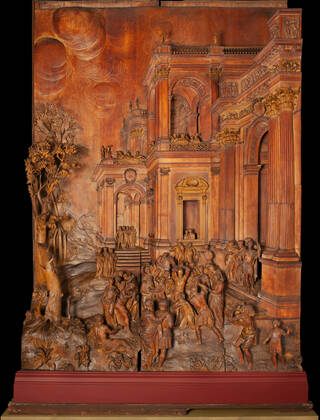
Grinling Gibbons was a renowned Anglo-Dutch sculptor and woodcarver, celebrated for his extraordinary skill in creating intricate, lifelike carvings that often appeared to float effortlessly from wood.
Why is he an overman?
What Grinling Gibbons does with wood is truly remarkable and unrepeatable. He could make his tools follow his will with absolute perfection. He replicated all the details of the world around him, making them come alive a second time through the wood.
Gibbons is often described as largely self-taught. While he may have learned basic joinery, his ability to carve such intricate, lifelike details—like flowers, fruit, and lace—was considered almost miraculous.
Many of his carvings survive today in remarkable condition, despite being over 300 years old. Some historians attribute this durability to his careful selection of limewood, which is soft for carving but remarkably stable over time.
Short biography:
04 April 1648 – 03 August 1721
Born in Rotterdam, Netherlands, Grinling Gibbons moved with his family to England in his youth. While much of his early life remains obscure, it is believed that he trained as a joiner before developing his extraordinary talent in decorative carving. His work caught the attention of prominent patrons for its exceptional realism, delicate detail, and ability to transform simple oak and limewood into ornate representations of flowers, fruits, foliage, and musical instruments.
By the 1670s, Gibbons’ reputation had reached the royal court. He was employed extensively by King Charles II and later by William III and Queen Mary, contributing lavish woodwork to royal palaces such as Windsor Castle, Hampton Court, and St. James’s Palace. Gibbons’ work extended beyond the royal commissions, influencing church interiors, civic buildings, and private estates, making him the preeminent woodcarver of his era. His artistic achievements earned him the title of “King’s Carver,” and he enjoyed a long and highly productive career until his death.
Gibbons led a relatively private personal life, yet some details are known. He married Susanna Hollis in 1673, and together they had several children. He was known to be deeply religious, which some scholars suggest informed the spiritual and natural harmony evident in his carvings. His dedication to perfection in his art often meant long hours and meticulous attention to detail, characteristics that became hallmarks of his style.
Grinling Gibbons died in 1721 and was buried in St. James’s Church, Piccadilly, London. His legacy endured long after his death, inspiring generations of woodcarvers and decorative artists in England and beyond.
Notable work: